

Caroline’s Obelisk in Maulbronn
Caroline’s obelisk in Maulbronn. She died on 7 September 1809 and was buried on 9 September 1809. Schelling writes to Friedrich Immanuel Niethammer in October 1809: “Herr von Stengel has a drawing of the church in Maulbronn. Behind it, close to the rear wall, is the resting place of the beloved.” During the nineteenth century, however, all gravemarkers were removed from that area, and her obelisk now stands to the side of the church against a retaining wall.
(Photo: translator/editor [2009].)
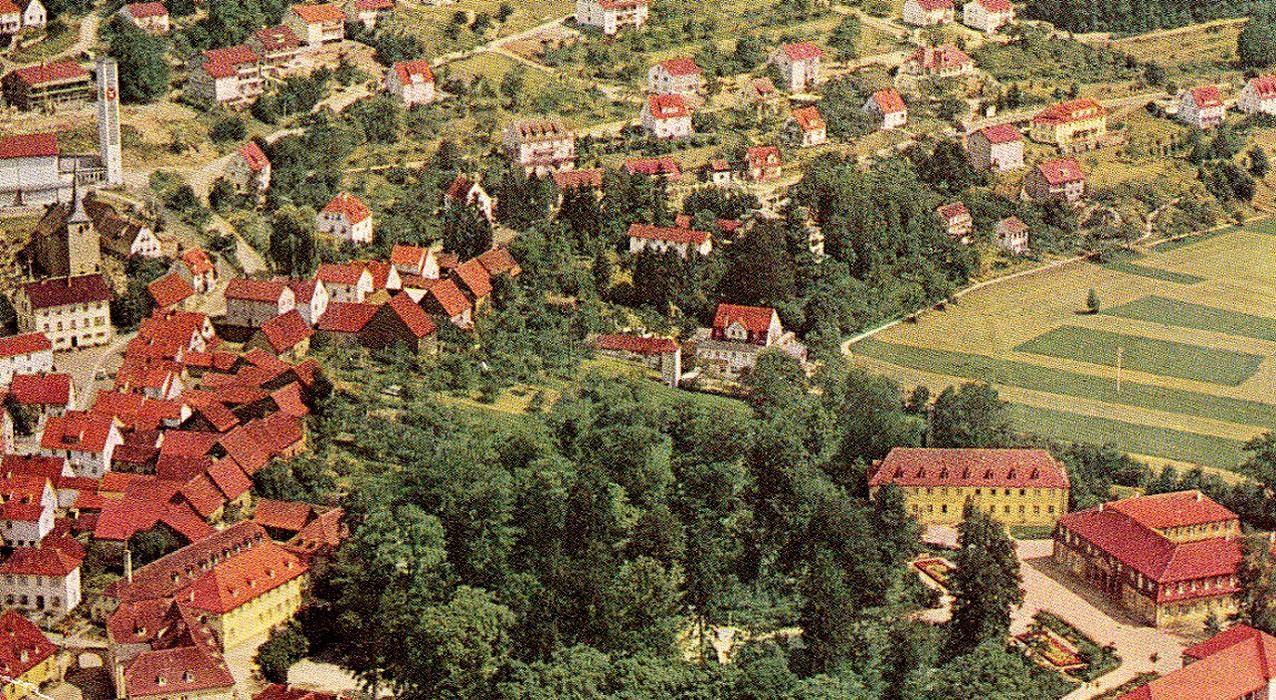
Bad Bocklet, 1965
Auguste is buried in the cemetery of the smaller, older church on the far left, though the location of her grave has long been unknown. At an early period, her gravestone was used as a kneeling platform before a crucifix and never put back on her grave.
(Postcard [1965].)

Auguste’s Gravestone
The memorial plaque and former gravestone for Auguste are now displayed together in a niche at the bottom of the stairs leading to the church and cemetery in Bad Bocklet where she is interred; the location of her grave has long been unknown. Note: she was born on 28 April 1785, not 22 April.
(Photo: Martin Reulecke [2014].).
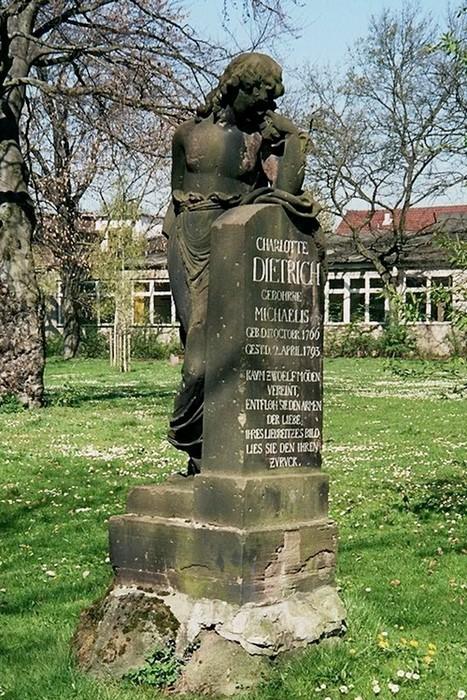
Grave of Lotte Dieterich, née Michaelis
Gravesite of Charlotte Dieterich, née Michaelis, in Göttingen, Caroline’s sister, who died on 2 April 1793.
(Photo Martin Reulecke.)
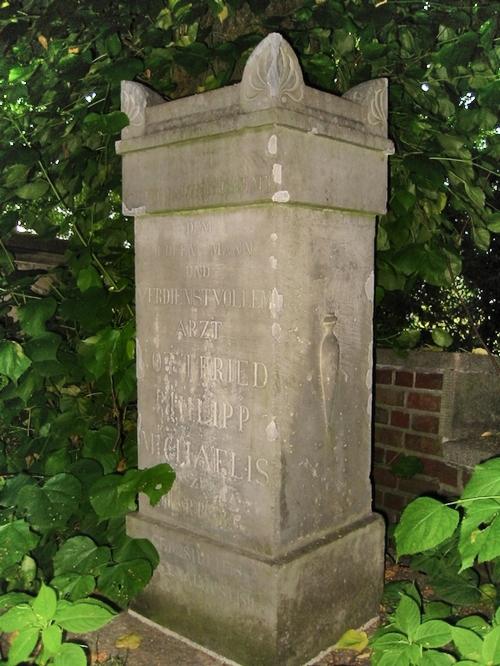
Gravesite of Philipp Michaelis
Gravesite of Philipp Michaelis in Hamburg-Harburg. Caroline’s younger brother outlived her by only two years, dying in 1811 in Harburg, where he was a respected physician. Although the gravesites of Caroline, Lotte, and Philipp Michaelis are still known, those of Caroline’s father, mother, half-brother Fritz, and sister Luise are not.
(Photo: Martin Reulecke.)
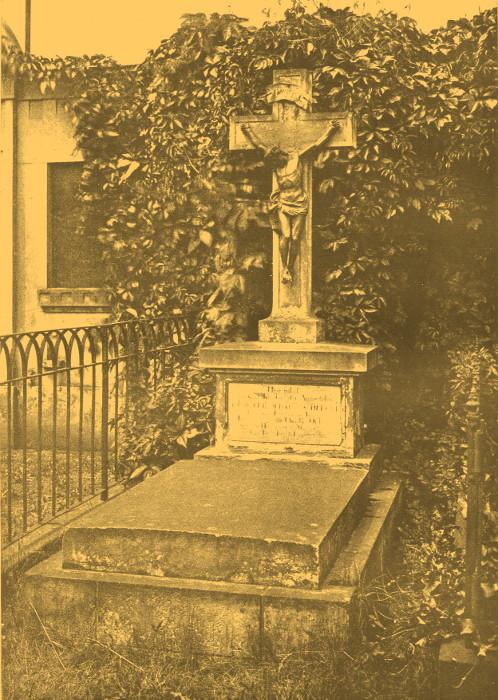
Friedrich Schlegel’s Gravesite in Dresden
Friedrich Schlegel’s gravesite in the Old Catholic Cemetery in Dresden. He died on the night of 11/12 January 1839.
(Anonymous photo; in Briefe von und an Friedrich und Dorothea Schlegel, ed. Josef Körner [Berlin 1926], plate following p. 296.)
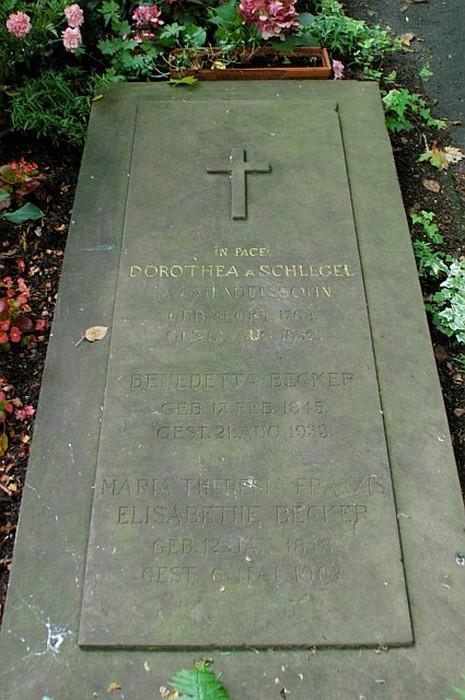
Dorothea Schlegel’s Gravesite
Dorothea Schlegel’s gravesite in the main cemetery in Frankfurt am Main. She died on 3 August 1839, but not before destroying countless letters she and Friedrich had received over the years.
(Anonymous photo; Frankfurter Hauptfriedhof: Grabstätte in Patenschaft.)

Wilhelm Schlegel
Wilhelm Schlegel in later years. In 1818 he turned down a chance to teach at the university in Berlin in favor of a position at the newly formed university in Bonn so that his new wife, Sophie Paulus, daughter of H.E.G. Paulus, might remain closer to her mother in Heidelberg, where Paulus was teaching. But the marriage failed, with Sophie never even leaving Heidelberg (and yet they never divorced). Wilhelm remained in Bonn, where he became instrumental in establishing the academic discipline of Sanskrit studies, even translating the Bhagavad Gita.
(Excerpt from engraving by Christian Hoffmeister [1841].)
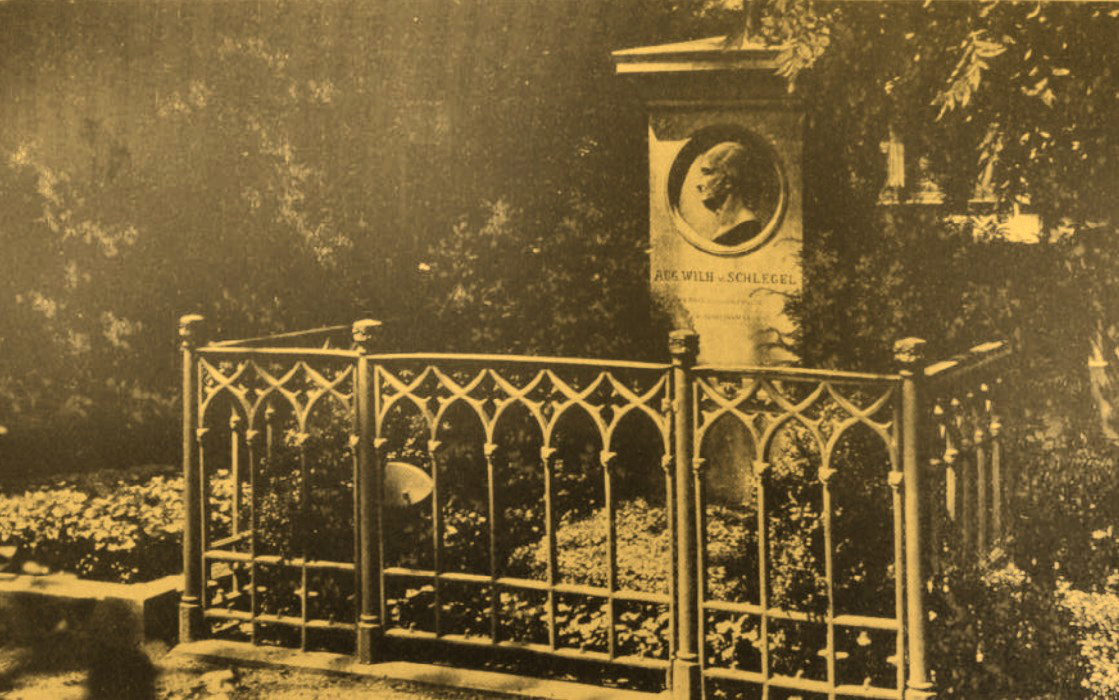
Wilhelm Schlegel’s Gravesite in Bonn
Wilhelm Schlegel died on 12 May 1845.
(Photo: reproduced in Briefe von und an August Wilhel Schlegel, ed. Josef Körner, 2 vols. [Zürich, Leipzig, Vienna 1930], plate following p. 616.)
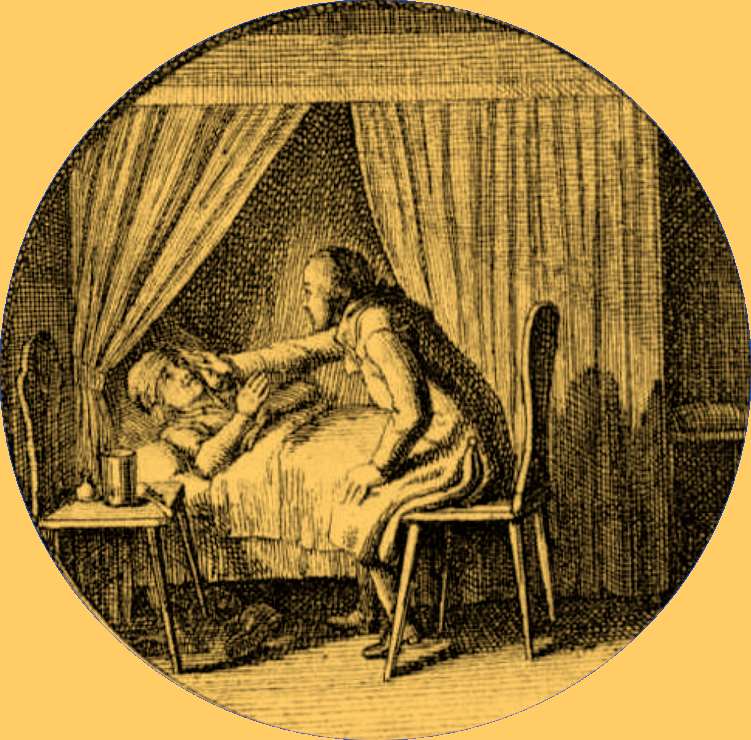
Schelling’s Request to Johann Martin Wagner
Schelling’s friend Johann Martin Wagner stayed with him in Munich following Caroline’s death. When Schelling became ill enough to fear for his life, he made a special request of Wagner, who writes in his memoirs:
“Schelling’s health became more questionable by the day. He was close to death. I had to summon a cleric for him . . . I was also to do my utmost to delay the interring of his corpse as long as possible. Finally, however, I was to cut off his head, a task that truly would have been extraordinarily unpleasant for me if after his death I had had to fulfill that particular request.”
(Johann Caspar Lavater, Geheimes Tagebuch, 2 vols. [Leipzig 1771, 1773], 1:80; illustration: title vignette to Denis Diderot, Jacob und sein Herr, vol. 1 [Munich 1911].)
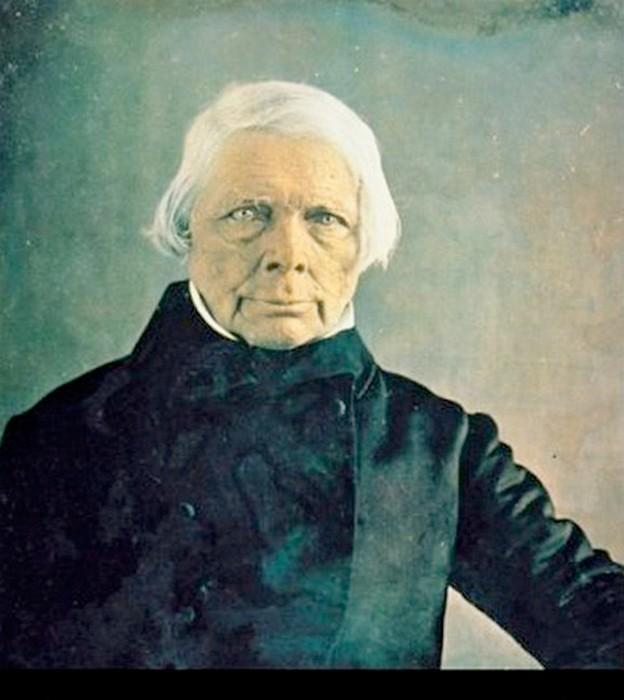
Schelling, 1848
Schelling in a (colorized) daguerreotype. Schelling returned to Munich after Caroline’s death, but later also taught in Erlangen and Berlin, though he actually published very little. He died on 20 August 1854 in Bad Ragaz, Switzerland, during a leave of absence from his position in Berlin for health reasons.
(Unknown photographer.)
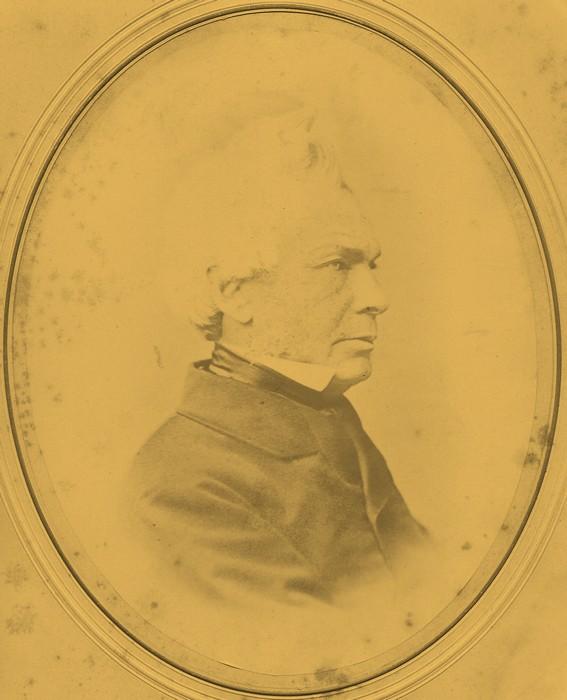
Schelling, ca. 1853
(Unknown photographer; on reverse side: a handwritten dedication to Theodor Stein.)
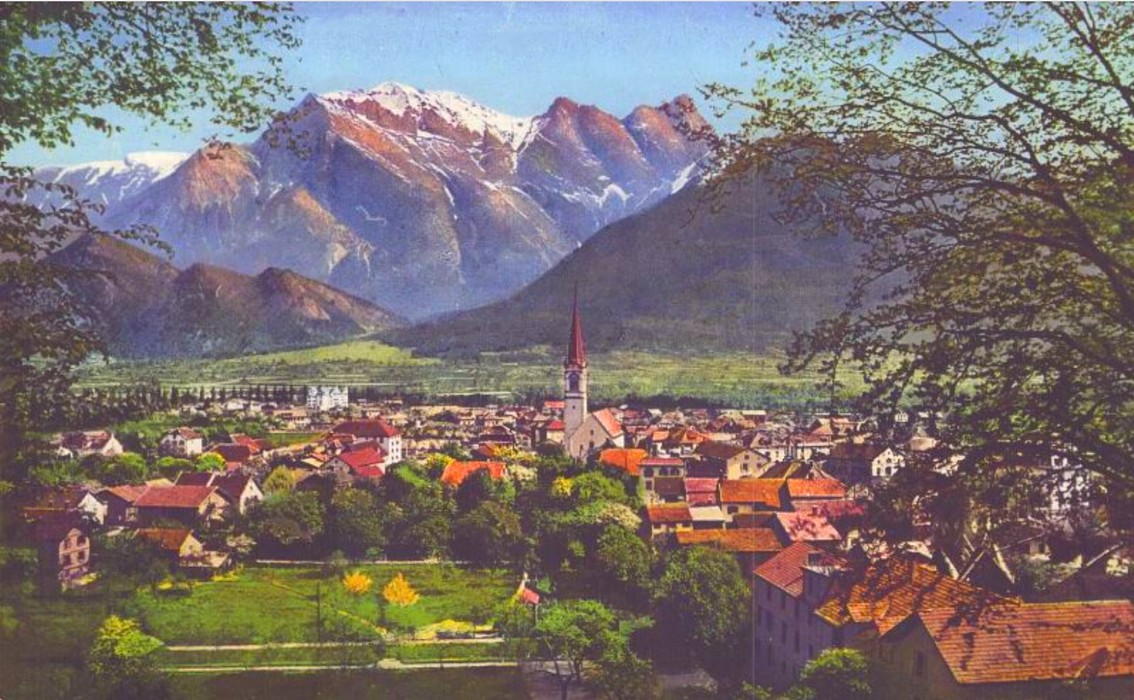
Bad Ragaz
Bad Ragaz, Switzerland, where Schelling died and is buried.
(Postcard: “Bad-Ragaz mit Falknis” [undated].)
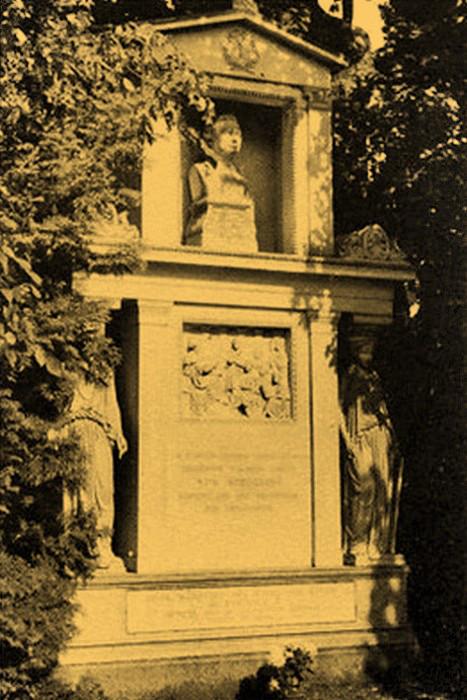
Schelling’s Gravesite in Bad Ragaz, Switzerland
Schelling died on 20 August 1854.
(Unknown photographer.)
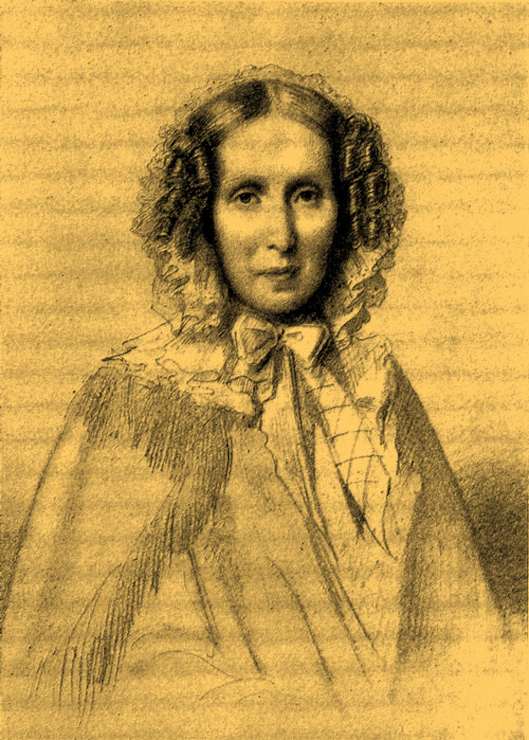
Paluline Schelling, née Gotter
Youngest daughter of Caroline’s lifelong friend Luise Gotter, and herself one of Caroline’s correspondents. She writes to Schelling in 1809: “So, she is no more, this precious, unforgettable friend, who lived in our hearts like a second mother, whom we admired with childlike tenderness and love.”
Pauline and Schelling married in Gotha on 11 June 1812.
(Portrait: in Carmen Kahn-Wallerstein, Schellings Frauen Caroline und Pauline [Bern 1959], following p. 272.)
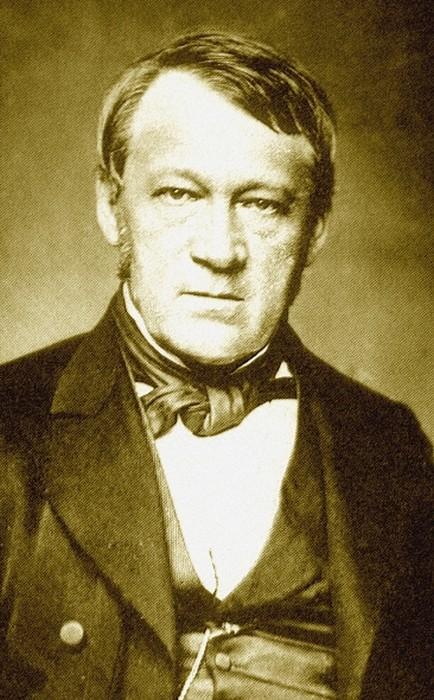
Georg Waitz
This renowned legal historian who married Schelling’s daughter Clara in 1842. After working on the project for nearly twenty years, in 1871 he published the first, two-volume edition of Caroline’s letters.
(Photo: by Bernhard Petri [ca. 1855].)
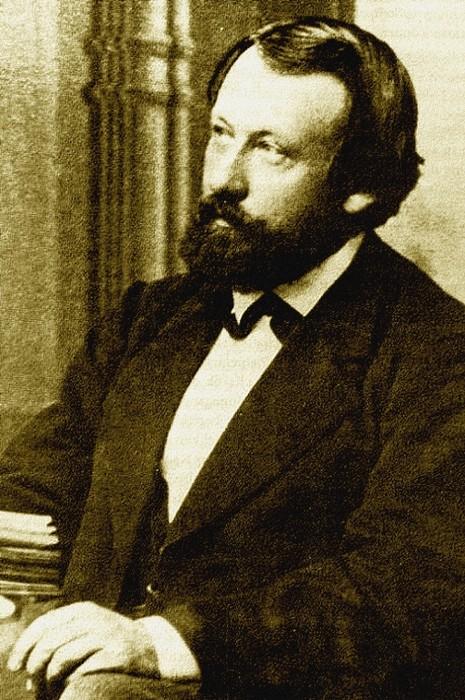
Wilhelm Dilthey
Philosopher, historian, psychologist in Basel, Kiel, Breslau, and Berlin, whose monumental first volume of his biography of Schleiermacher (1870) dealt extensively with Schleiermacher’s relationship with the Jena circle, and whose 4-volume edition of Schleiermacher’s letters (1860–63) provided an initial look into his correspondence with the Schlegels.
(Portrait: by unknown photographer [ca. 1874]; reproduced as frontispiece in Wilhelm Dilthey, Texte zur Kritik der historischen Vernunft [Göttingen 1983], 198.)
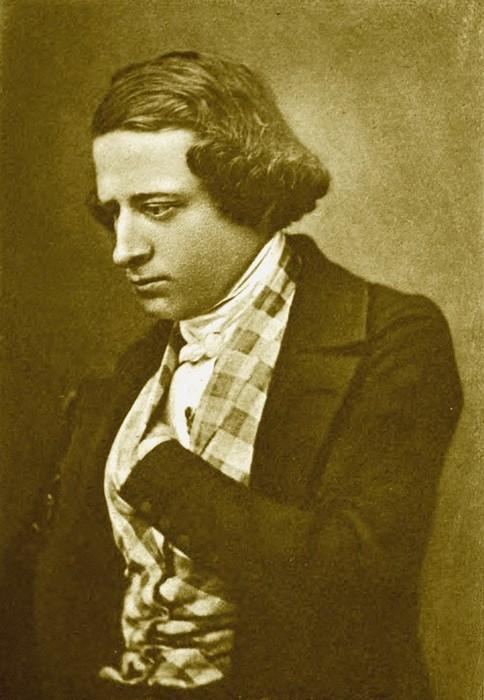
Rudolf Haym
Literary historian in Halle, author of the magisterial work on the Jena Romantics, Die romantische Schule, and Caroline’s first biographer. He remarks the following concerning Caroline’s letters to Schelling after Auguste’s death: “Poetry has never dared portray such a wondrous play of emotions as emerged in this woman’s breast, such an ebb and flow of the most profound grief and sunniest serenity, such an admixing and separating of waves of the most varied love. For with every attempt, it would fail; the improbable would not be believable, nor the believable graceful. Reality is richer than fiction.”
(Portrait: ca. 1847, Rudolf Haym, Aus meinem Leben: Erinnerungen [Berlin 1902], following p. 112.)
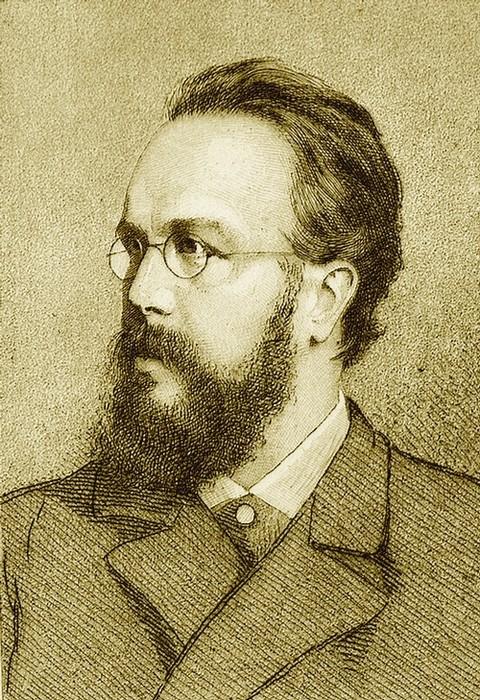
Wilhelm Scherer
This literary historian writes in his essay on Waitz’s edition of Caroline’s letters: “Anyone interested in the literary scene and literary factions in Germany at the end of the previous and the beginning of the present century will draw a wealth of information from these volumes, and will encounter the story of a woman one cannot follow without being profoundly moved.”
(Portrait: engraving by L. Jacobi after a portrait by Julie de Boor; frontispiece to Scherer’s Geschichte der Deutschen Litteratur, 8th ed. [Berlin 1899].)
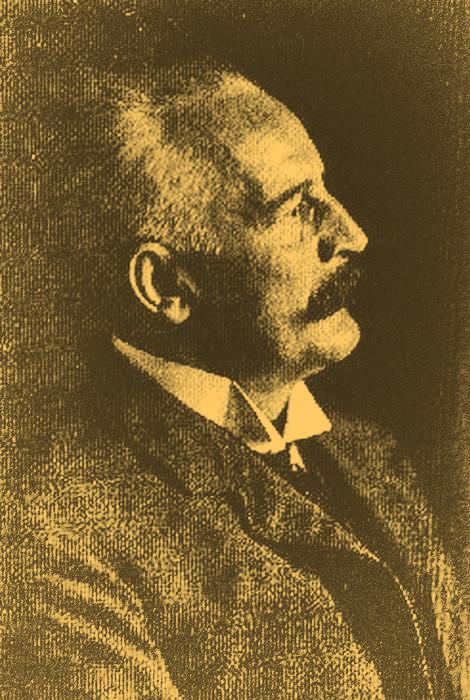
Erich Schmidt
Literary historian and rector of the university in Berlin. In 1913 he published an expanded version of Caroline’s correspondence based on the earlier edition of Georg Waitz. This English translation is based on that 1913 edition, about which Schmidt himself remarks in his own introductory essay: “Alongside documents of love and admiration, it also includes those that allow varying degrees of antipathy to emerge. It engages in advocacy neither for nor against, since this singular woman is strong enough to stand on her own.”
(Photo: 1906, Rudolph Dührkoop.)
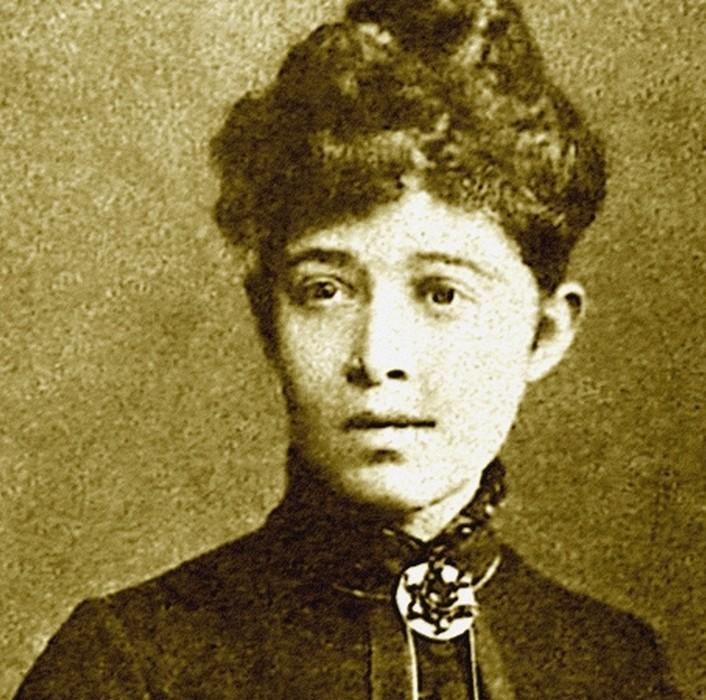
Ricarda Huch
Ricarda Huch, who assessed Caroline in an essay in her early monograph on the Romantics and in 1914 published a selection of her letters, concluding her introduction as follows: “May those who read her letters perceive in her written communication that same melodious voice with which she enraptured listeners when reading poems aloud, and through that voice allow her personality to emerge, which alone ultimately can explain all the riddles and seeming contradictions of her life.”
(Undated photograph by unknown photographer.)
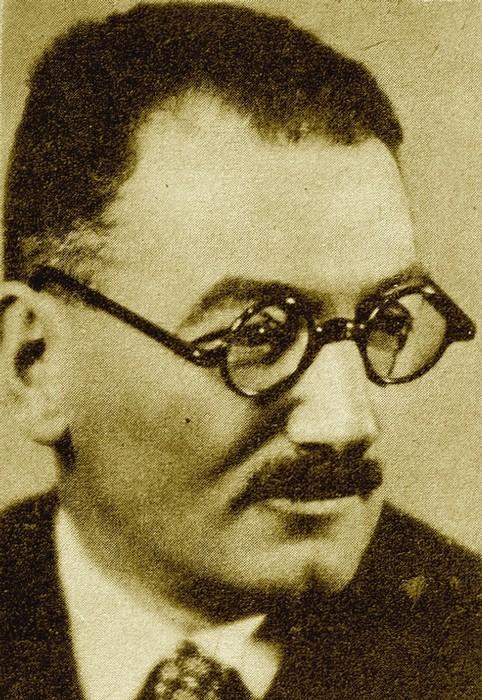
Josef Körner
Josef Körner (1888–1950): Austrian-Czechoslovakian literary historian and one of the most brilliant epistolary editors of the 20th century in German studies, his merits including especially editions of the letters of Wilhelm, Friedrich, and Dorothea Schlegel with their indispensable and encyclopedic annotations. Suffered as a Jew both before and during the National Socialist period.
(Portrait: in Ernst Behler, Friedrich Schlegel in Selbstzeugnissen und Bilddokumenten [Reinbek 1966], 158; also as frontispiece to Josef Körner, Philologische Schriften und Briefe, ed. Ralf Klausnitzer [Göttingen 2001].)
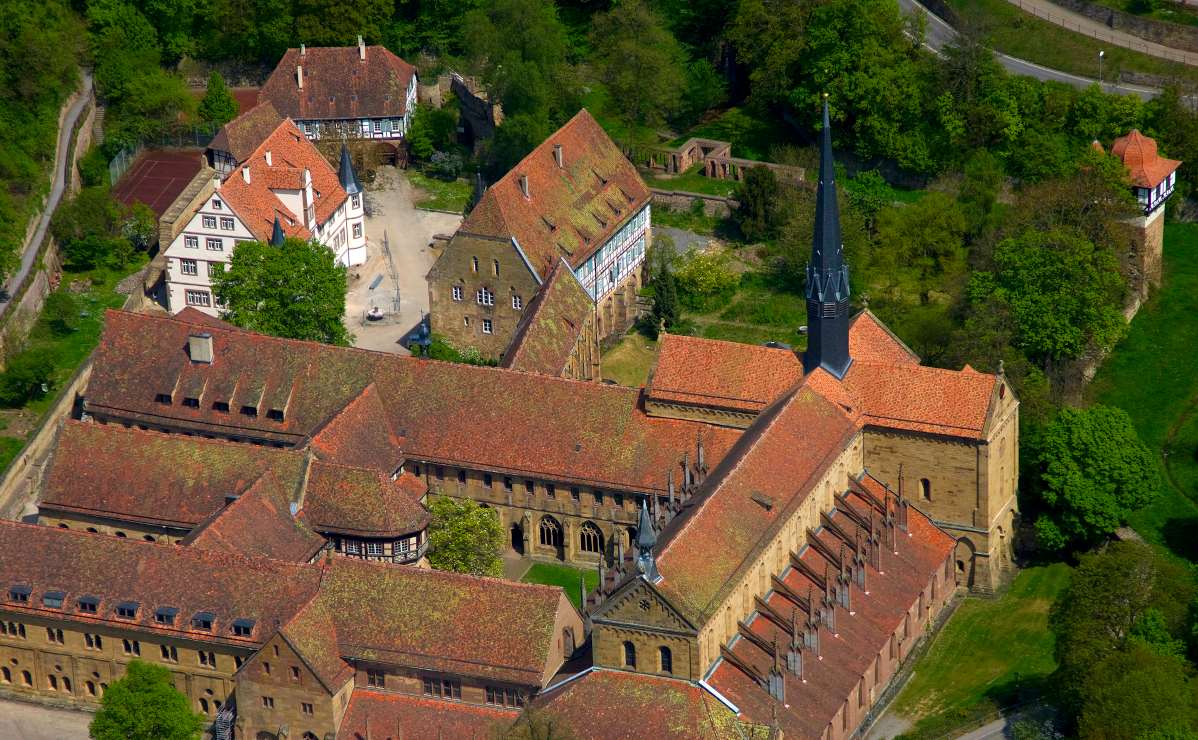
Maulbronn Today
Caroline’s final resting place is located in the green space directly behind the steeple.
(Photo: Staatliche Schlösser und Gärten Baden-Württemberg, Achim Mende.)